
Airway Dentistry in San Antonio
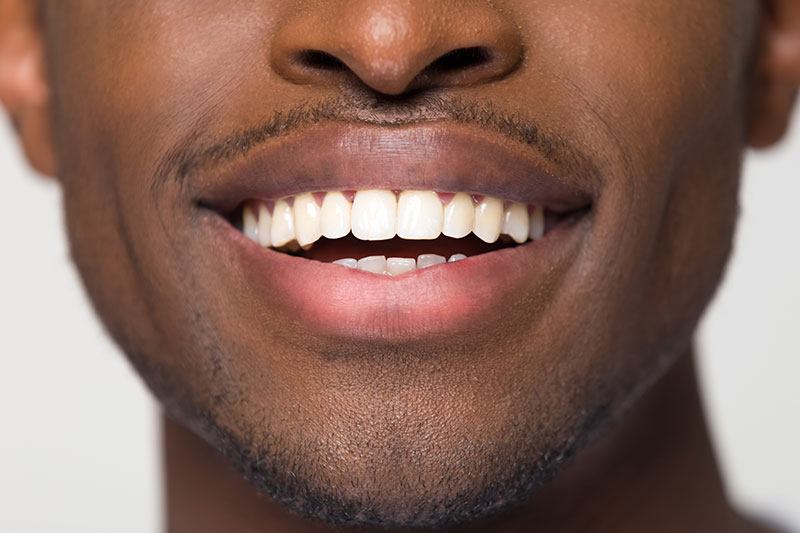
Airway Dentistry recognizes that the development of the jaws influences far more than just the alignment of the teeth. The growth of the upper jaw and facial structures can impact breathing, sleep quality, oral posture, facial development, and long-term function.
Our biological office in San Antonio aims to evaluate how the teeth, jaws, tongue, airway, and surrounding structures work together for healthy breathing and overall function.
When orthodontic or growth-focused treatment is performed in children and adults, we believe it is important to consider not only the appearance of the teeth, but also the patient’s breathing, facial development, nutrition, and long-term stability. We have designed our TMF G.R.O.W. Program with these principles as our foundation.
Growth and Development
Just as children receive growth evaluations during medical visits, we believe it is important to evaluate facial growth and airway development during childhood.
Many children today show signs of underdevelopment of the jaws and facial structures, which may contribute to crowding, mouth breathing, poor sleep quality, or narrowing of the airway. Early intervention allows us to identify and improve the foundation of their oral health at an earlier age.
How did we get here?
Modern environmental and lifestyle factors may influence facial growth and airway development. Changes in diet, oral habits, nasal breathing, allergies, posture, and muscle function can all impact how the jaws and airway develop over time.
The relationship between nutrition, lifestyle, and facial development has been discussed for decades, including the early observations of Dr. Weston A. Price. Today, we continue to see how environmental factors may influence breathing, jaw growth, and long-term oral health.
The encouraging news is that growth and development can often be positively influenced when addressed early and comprehensively.
To discuss these topics and more during your Wellness Exam, contact our office to make your initial visit.
FAQ
Q: Can a dentist fix my breathing problems?
A: A dentist trained in airway dentistry can play a meaningful role in evaluating and treating breathing concerns related to jaw development, tongue posture, and oral structure. While we are not physicians and do not treat medical conditions in isolation, we do identify structural contributors to poor breathing — such as narrow palates, tongue ties, and underdeveloped jaws — and can provide treatment or coordinate care with ENT physicians, sleep specialists, and other providers.
Q: What does mouth breathing do to your face and teeth?
A: Chronic mouth breathing during childhood can significantly influence facial development. When the tongue is not resting on the roof of the mouth and air is flowing through the mouth rather than the nose, the upper jaw can develop narrowly and the face can grow in a longer, more downward direction rather than forward. This can lead to crowding, a less defined jawline, and a narrower airway. In adults, mouth breathing contributes to dry mouth, increased cavity risk, gum inflammation, and poor sleep quality.
Q: Is tongue tie connected to airway and sleep problems?
A: Yes, and this connection is frequently underappreciated. A restricted tongue tie limits the tongue's ability to rest properly on the roof of the mouth, which affects palate development, nasal breathing, and how well the airway stays open during sleep. We evaluate tongue function as part of every airway assessment and can discuss whether a release procedure combined with myofunctional therapy may be appropriate.